
Service Robots: Explore Key Features, Functions, and Real-World Uses
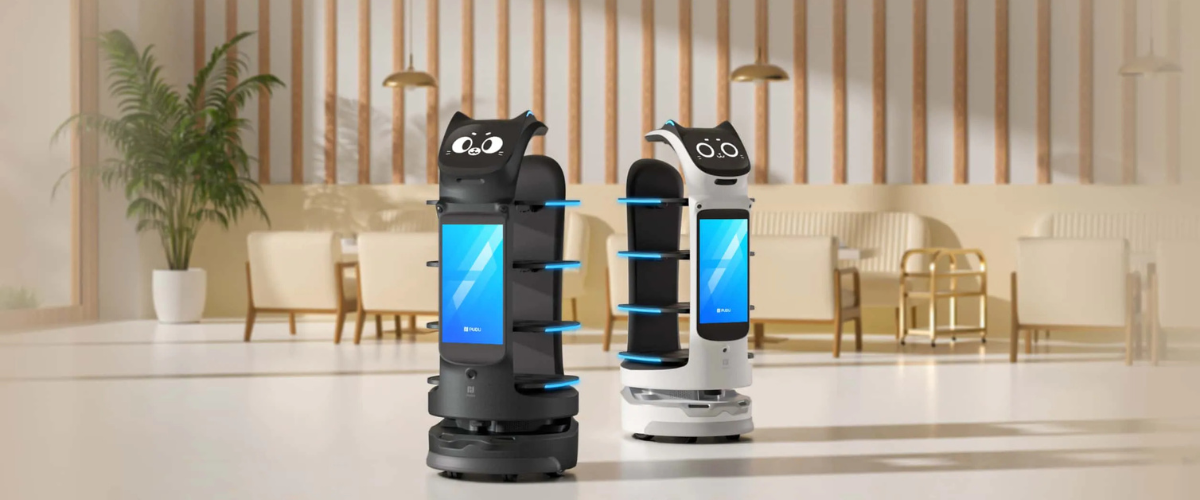
Robots may have started as a staple of sci-fi movies, but they are no longer limited to fiction. Across East Asia and the Pacific, technologies such as robots, AI, and digital platforms are already reshaping how businesses operate and how work gets done, with countries like Malaysia part of this wider shift.
Among the most visible examples are service robots. Today, they are being used in hotels, hospitals, warehouses, offices, restaurants, and retail spaces to support everyday operations. From transporting supplies to guiding visitors and assisting staff, service robots are helping businesses improve efficiency, consistency, and service quality.
In this guide, we’ll explore what service robots are, the key features that make them work, their core functions, the main types available today, and how they are used across industries.
Key Takeaways:
- Service robots help businesses handle practical everyday tasks such as delivery, logistics, customer service, and security.
- Their capabilities come from a combination of AI, sensors, navigation, connectivity, and safety features.
- Different types of service robots are used across industries such as hospitality, healthcare, retail, logistics, and facilities management.
- As service robotics continues to evolve, businesses can benefit most by choosing solutions that fit real operational needs.
What Are Service Robots?
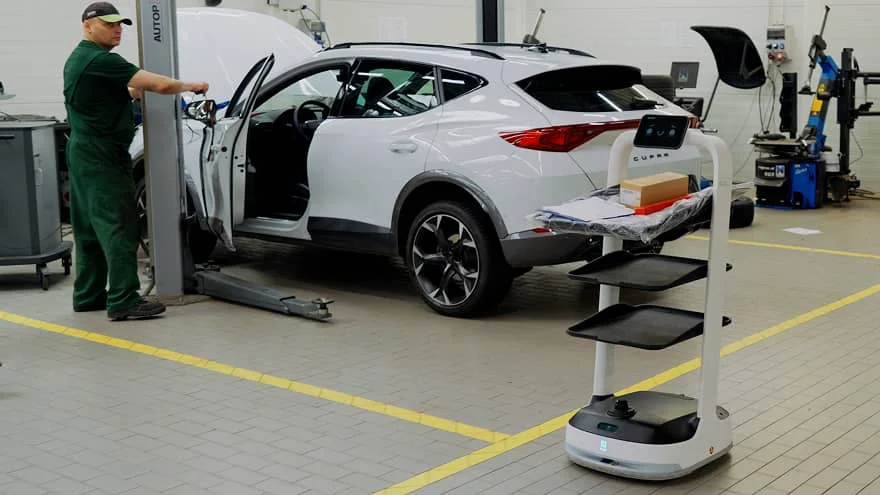
PuduBot 2 Smart Delivery Robot
Service robots are designed to help people and businesses by performing useful tasks in commercial, public, and operational environments. Their role is to support day-to-day operations, improve efficiency, and reduce repetitive or time-consuming work.
In commercial and industrial settings, service robots are often used for delivery and transport tasks such as moving food, supplies, parcels, equipment, or materials from one location to another. Depending on the environment, they may support front-facing operations in places like restaurants, hotels, hospitals, and offices, or back-end workflows in warehouses, factories, and logistics facilities.
What Are the Types of Service Robots Available in the Market?
In today’s market, service robots are used across a wide range of commercial, public, and operational environments to support everyday workflows. Depending on their intended role, they can be grouped into categories based on the tasks they perform and the environments for which they are designed.
Commercial Delivery Robots
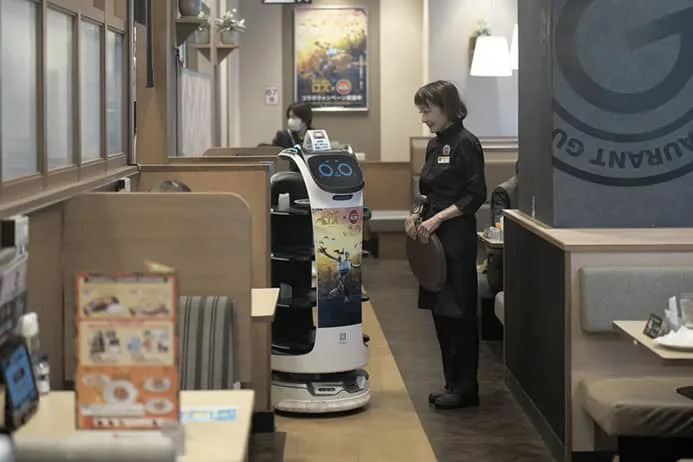
BellaBot Premium Delivery Robot
Commercial delivery robots are designed for customer-facing and service-oriented environments such as restaurants, hotels, hospitals, retail spaces, and office buildings. Their role is to support tasks such as serving food, delivering items, transporting supplies, and assisting staff in busy shared spaces.
Because these spaces are dynamic, commercial delivery robots are typically built to navigate safely around people while adapting to changing layouts, traffic flow, and interactions throughout the day. Beyond improving workflow efficiency, they can also help reduce staff workload and support a smoother overall service experience.
Common use cases include:
- food and beverage delivery
- room service support
- hospital supply delivery
- document or parcel movement
- reception, advertising, or customer-facing assistance
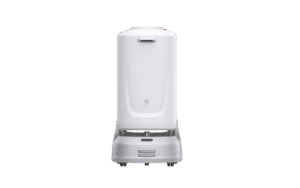
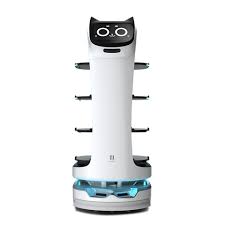
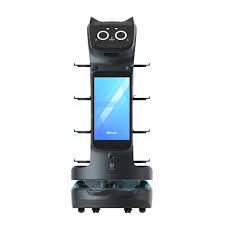
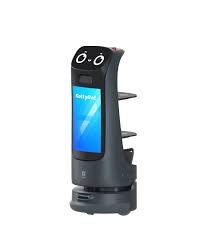
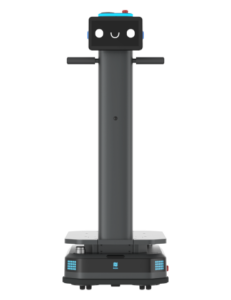
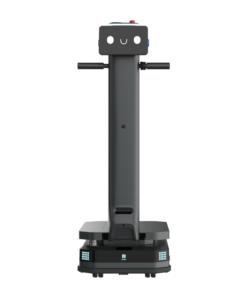
Examples from Tekmark’s PUDU lineup include the PuduBot 2, FlashBot Max, BellaBot, BellaBot Pro, and KettyBot Pro, all of which are designed for hospitality and other service-oriented environments where delivery tasks must be carried out in more interactive settings.
Commercial Cleaning Robots
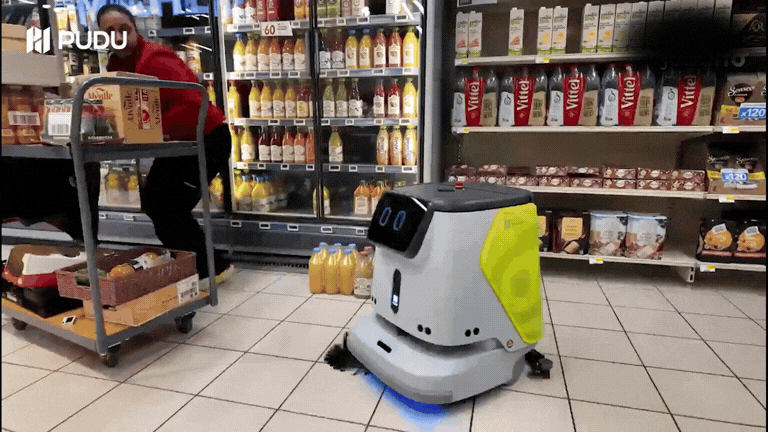
PUDU CC1 Intelligent Cleaning Robot
While they differ from delivery-oriented service robots in function, cleaning robots remain a closely related part of how businesses use robotics to improve operational efficiency and facility upkeep.
Cleaning robots are designed to automate routine cleaning and maintenance tasks in shared spaces. Their main value lies in helping businesses maintain cleaner environments more consistently while reducing the time staff spend on repetitive cleaning tasks.
Common cleaning functions include:
- sweeping
- scrubbing
- vacuuming
- mopping
- spot cleaning
These robots are commonly used in:
- malls
- offices
- airports
- hospitals
- schools
- hotels
- other large shared facilities
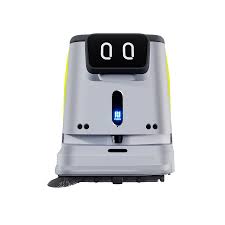
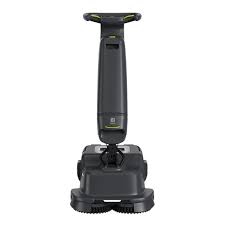
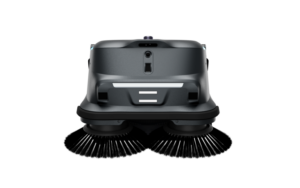
Good examples include the PUDU CC1, PUDU SH1, and PUDU MT1, which are designed for commercial environments requiring consistent, efficient cleaning support.
Industrial Delivery Robots
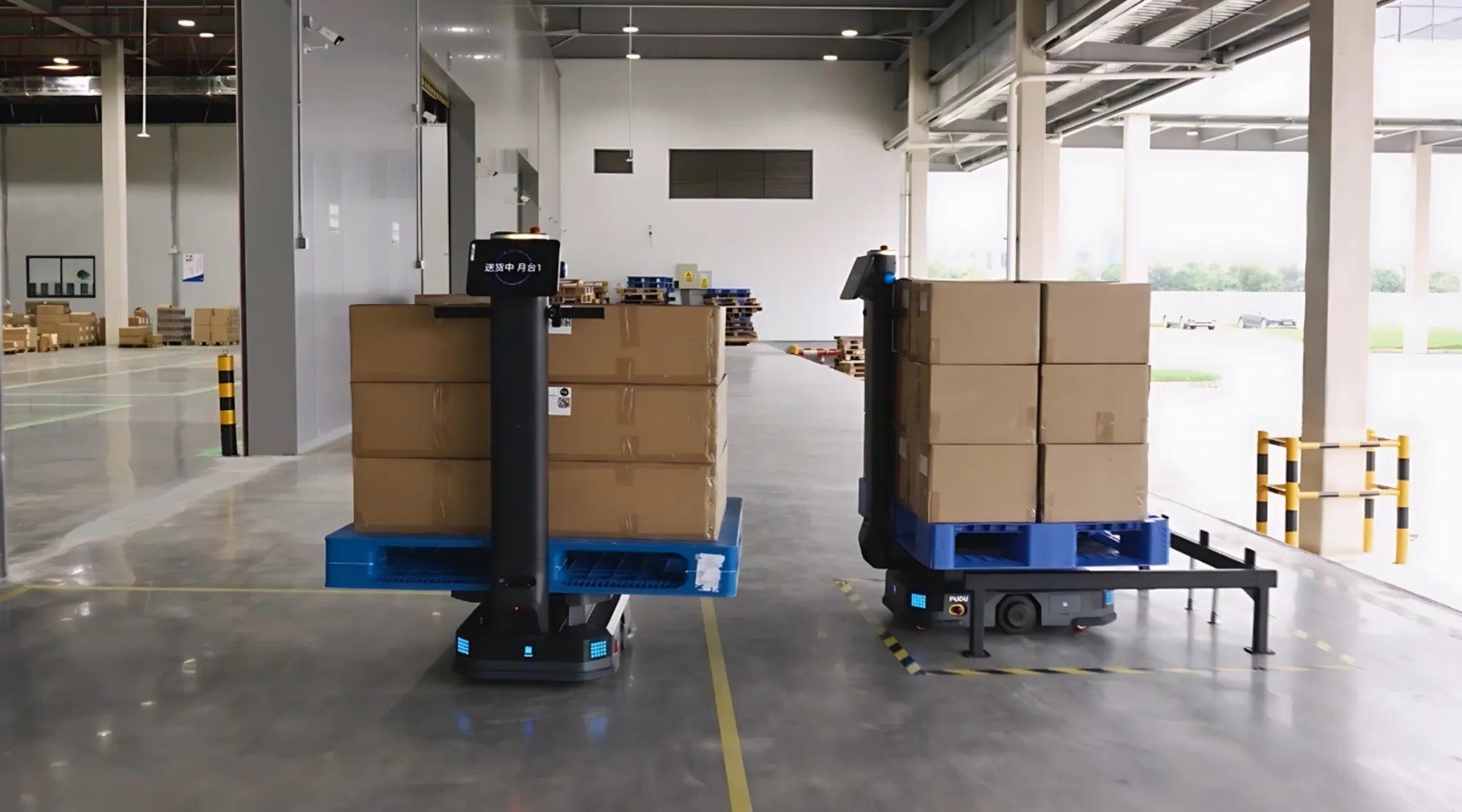
PUDU T600 Heavy-Payload Industrial Delivery Robot
Industrial delivery robots are designed for internal transport and material-handling tasks in environments such as warehouses, factories, production facilities, and logistics areas. Their role is to move materials, parts, tools, or supplies more efficiently with less manual handling, helping businesses improve workflow efficiency, reduce repetitive labour, and support smoother internal operations.
Compared with commercial delivery robots, they are typically built for more demanding workflows, including heavier loads, longer travel distances, and more continuous operation as part of a larger process.
Common use cases include:
- internal material transport
- warehouse movement
- factory logistics
- line-side replenishment
- back-of-house operational support
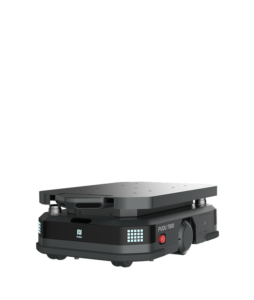
Good examples include the PUDU T300, PUDU T600, and PUDU T600 Underride, all designed for industrial and semi-industrial environments requiring flexible, efficient material transport.
What Are the Key Features of Service Robots?
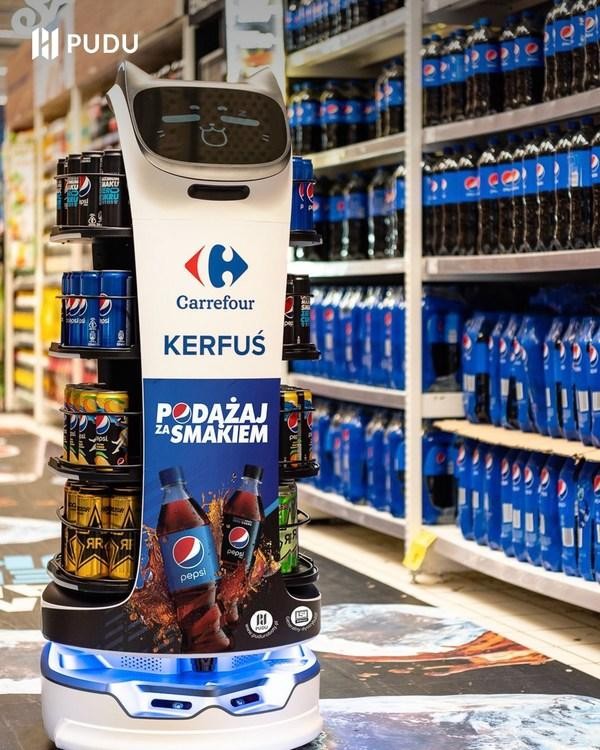
BellaBot Pro : Premium Delivery and Advertising Robot
Service robots rely on a combination of technologies to function effectively in dynamic environments. To reliably support delivery, transport, and workflow-related tasks, they need to sense their surroundings, navigate safely, make decisions, stay connected, and interact appropriately with people.
1. AI and Intelligent Decision-Making
AI helps service robots go beyond simple programmed actions. It allows them to interpret their surroundings, respond to changing conditions, and carry out tasks more efficiently.
For example, AI can help a robot choose the most efficient route, adjust to obstacles in its path, or recognize when a task needs to be handled differently based on the environment.
2. Sensors and Perception Systems
To function in dynamic environments, service robots rely on sensors to understand what is happening around them. These may include cameras, LiDAR, depth sensors, and ultrasonic sensors.
Together, these systems help robots detect obstacles, measure distance, identify movement, and build awareness of their surroundings so they can operate more accurately and safely.
3. Mobility and Autonomous Navigation
Many service robots are designed to move through changing environments rather than stay fixed in one place. This is where autonomous navigation becomes essential.
Technologies such as route planning, localization, SLAM, and obstacle avoidance help robots understand where they are, where they need to go, and how to get there safely. This is especially important in mixed human environments where people, furniture, and other objects are constantly moving.
4. Connectivity and System Integration
Service robots are also becoming more connected. Cloud connectivity, dashboards, alerts, and reporting tools allow businesses to monitor performance, manage tasks, and track robot activity more easily.
In some cases, robots can also integrate with lifts, access systems, or other workflow tools, making them easier to fit into daily operations.
5. Human-Robot Interaction and Safety
Because service robots often work around people, interaction and safety are critical. Touchscreens, voice prompts, manual controls, and clear status indicators can make robots easier to use, while features such as emergency stop buttons and safety detection systems help them operate more safely in shared spaces.
Want to see how service robots are already being used in Malaysia’s F&B industry? Read Robots in Restaurants: Future-Proofing Malaysian F&B Crisis to learn how restaurant robots can help address manpower shortages and improve operational efficiency
What Functions Do Service Robots Perform?
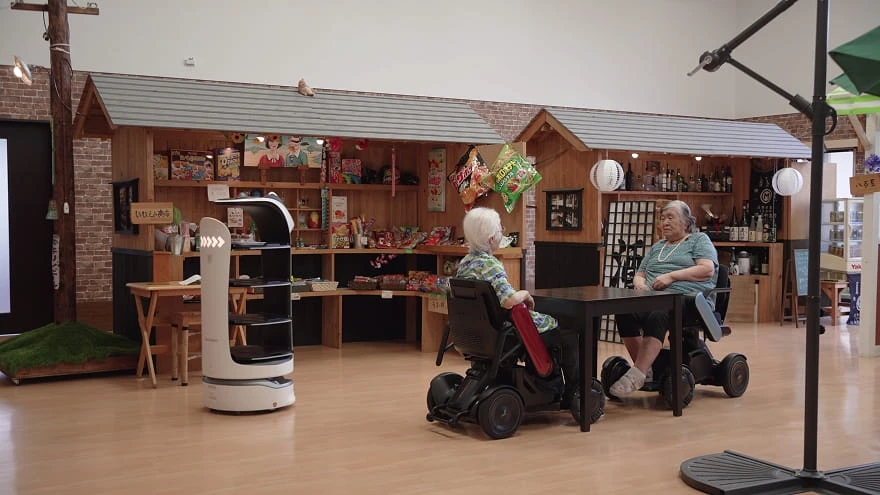
BellaBot Premium Delivery Robot
Service robots are designed to perform practical tasks that help businesses operate more efficiently. While their exact role can vary by industry, they are generally used to handle routine, repetitive, or time-sensitive tasks that support day-to-day operations.
1. Transporting items
Service robots are often used to move items from one place to another without requiring constant staff involvement. Depending on the setting, this can include food, medical supplies, parcels, equipment, tools, or internal materials. This helps reduce manual workload and speeds up routine delivery tasks.
2. Assisting customers or visitors
Some service robots support front-facing service by helping customers, guests, or visitors with basic interactions. This may include answering simple questions, providing information, or supporting service tasks in public or commercial environments.
3. Guiding people
Service robots can also help guide people through large or unfamiliar spaces. In places such as hospitals, hotels, offices, or public venues, this function can improve convenience and make navigation easier for visitors.
4. Supporting internal delivery workflows
In commercial and industrial settings, service robots can support internal delivery and transport workflows by moving supplies, documents, tools, or materials more efficiently. This is especially useful in environments where items need to be moved frequently between departments, stations, or work areas.
5. Supporting repetitive operational workflows
Beyond individual tasks, service robots also help businesses improve workflow consistency. By taking over routine functions such as moving items, cleaning spaces, or assisting people, they can extend operational capacity and free up staff to focus on higher-value work.
What Industries Do Service Robots Serve?
Service robots support a wide range of industries across both customer-facing and back-end operations. While use cases vary by environment, their role remains the same: to improve workflow efficiency, reduce repetitive manual movement, and support more consistent operations.
1. Food and beverage
In restaurants, cafés, and other F&B settings, service robots are commonly used for food delivery, dish return, and guest-facing support. These environments often require frequent movement between tables, kitchens, and service points, making delivery robots especially useful for easing staff workload and improving service efficiency.
2. Hospitality
In hotels and related hospitality settings, service robots can support room delivery, guest assistance, luggage handling, and restaurant service workflows. Their ability to move items efficiently while operating in shared spaces makes them useful for improving responsiveness and supporting day-to-day service operations.
3. Healthcare
Hospitals and healthcare facilities can use service robots for supply delivery, heavy-load transport, and reception-related support. In these environments, robots help reduce repetitive movement for staff while improving service timeliness and workflow efficiency.
4. Office buildings and commercial spaces
In office buildings, campuses, and mixed-use commercial spaces, service robots can support internal delivery tasks such as moving documents, parcels, supplies, or other items between departments or service points. This makes them useful for improving convenience and reducing the time staff spend on routine transport work.
5. Warehouses, factories, and logistics facilities
In industrial and logistics environments, service robots support tasks such as material feeding, internal transport, warehouse movement, and distribution. They are especially useful in demanding settings such as narrow pathways, multi-floor facilities, and cross-building operations, where smoother internal movement can improve workflow efficiency.
6. Education and public service environments
In schools, museums, galleries, and other public-facing venues, service robots can support building delivery, guided reception, and visitor assistance. These environments often benefit from robots that can combine transport support with a more visible service role
What Are the Benefits of Service Robots for Businesses?
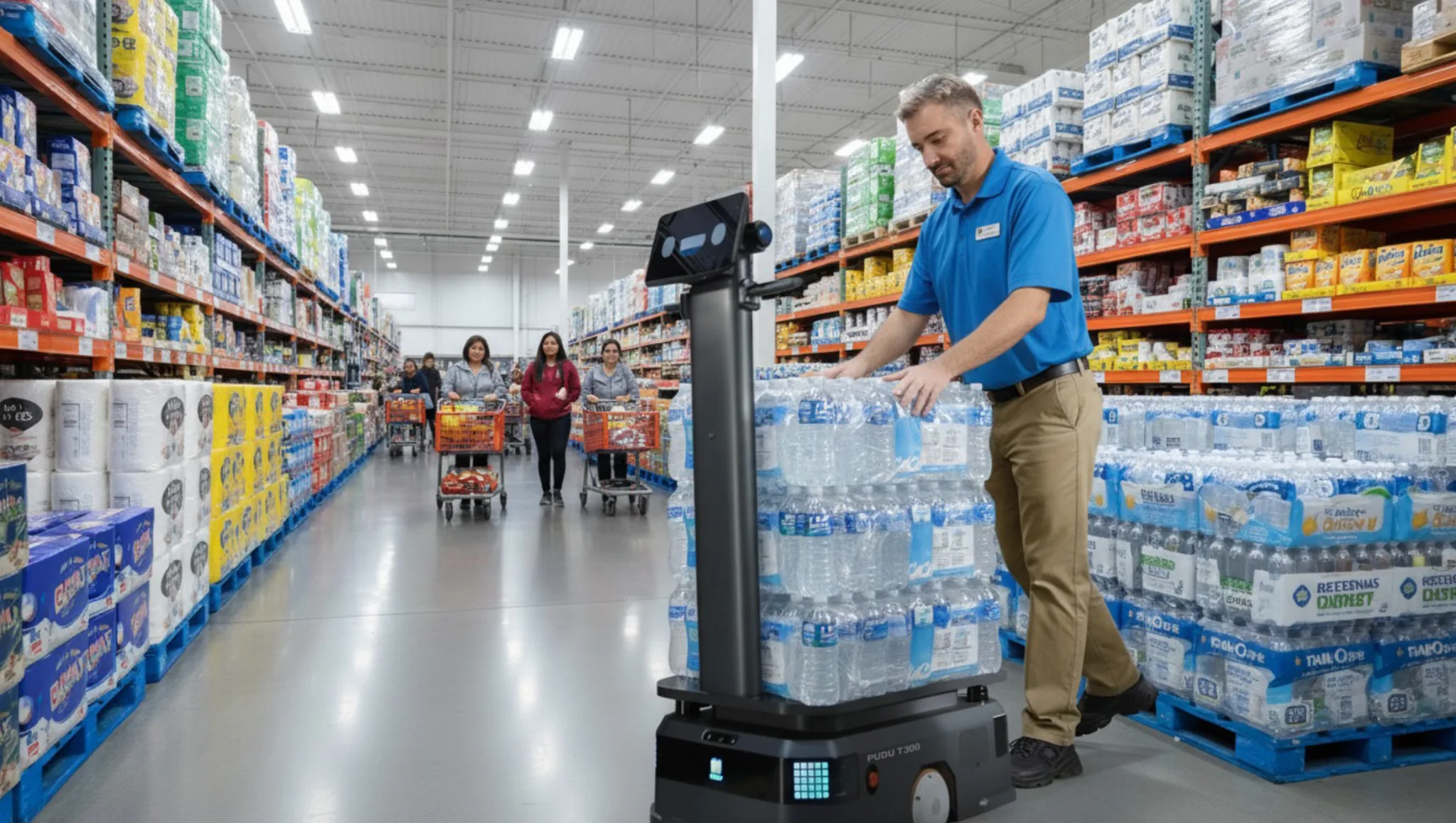
PUDU T300 Industrial Delivery Robot
For many businesses, the value of service robots goes beyond automation. From reducing repetitive workloads to improving efficiency and operational visibility, they can deliver practical benefits across many parts of daily operations.
1. Reduced repetitive workload
Service robots can take over routine tasks such as transporting items, guiding visitors, or carrying supplies between locations. This helps reduce the amount of repetitive work staff need to handle manually, especially in busy environments.
2. Improved consistency
Unlike manual workflows, which may vary with staffing levels or workload, service robots can perform assigned tasks more consistently. This is especially useful for functions such as delivery and internal transport, where reliability and repeatability are important.
3. Extended operating hours
Service robots can help businesses maintain operations beyond normal staffing hours or support tasks during peak periods. For example, they may continue handling routine transport tasks throughout the day, helping teams maintain service levels more easily.
4. Support for labour gaps
In industries facing labour shortages or high staff demands, service robots can help fill operational gaps by taking on repetitive but necessary work. They are not a complete replacement for people, but they can help ease pressure on teams and support smoother day-to-day operations.
5. Better staff efficiency
By taking over lower-value routine tasks, service robots allow staff to focus more on work that requires human judgement, service, or problem-solving. This can improve overall workflow efficiency and make better use of available manpower.
6. Safer handling of certain tasks
Some service robots can help reduce the need for staff to repeatedly handle tiring, physically demanding, or contact-sensitive tasks. This can be valuable in environments such as healthcare, logistics, or internal operations, where safety and operational support matter.
7. Better data visibility
Many service robots also provide operational data through dashboards, reports, and alerts. This can give businesses better visibility into task completion, usage patterns, and performance, making it easier to monitor operations and improve workflows over time.
8. Cost savings and ROI
By reducing manual workload, supporting longer operating hours, and improving workflow efficiency, service robots can help businesses lower operational costs over time and improve return on investment.
9. Higher accuracy and quality output
Because service robots are designed to perform tasks with repeatability and precision, they can help businesses achieve more consistent results while reducing avoidable errors in routine workflows.
Curious about how to choose the right AMR for warehouse operations? Read 7 Features to Consider When Choosing a Warehouse Delivery Robot to discover what to compare, what to validate during a pilot, and how to assess fit for your facility.
Future Trends in Service Robotics
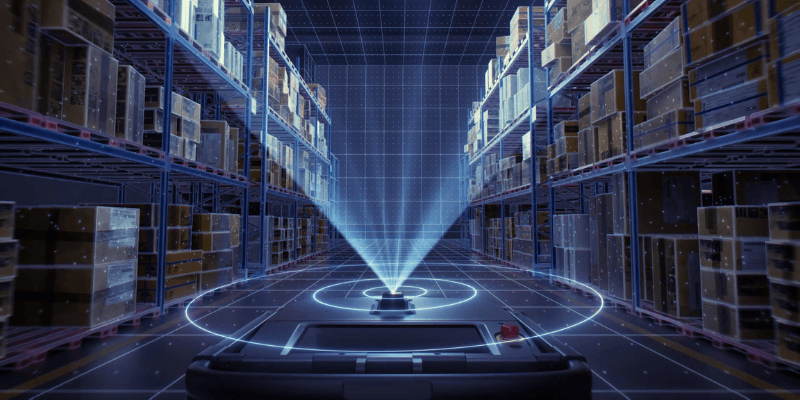
PUDU T600 Underride Equipped with VSLAM+ LiDAR Sensor
As service robots continue to evolve, they are becoming more advanced, connected, and better suited to real-world operations. While they already support a wide range of tasks today, future developments are likely to make them even more capable and adaptable across industries.
1. Better AI and perception
Service robots are expected to become more intelligent in how they understand and respond to their surroundings. With stronger AI capabilities, they will be better able to recognise objects, interpret activity in a space, adapt to changing conditions, and make smarter task decisions in real time.
2. Stronger sensor fusion
Future service robots will likely rely on more advanced combinations of sensors rather than one system alone. By combining tools such as cameras, LiDAR, depth sensing, and other perception technologies, robots can build a more accurate understanding of their environment and operate with greater reliability.
3. Wider AMR deployment
As autonomous mobile robot technology becomes more mature, AMRs are likely to be used more widely across industries. This is especially relevant in logistics, internal transport, warehouse movement, and back-end operations, where flexible navigation and independent movement can improve workflow efficiency.
4. More connected robot fleets
Service robots are also moving toward stronger fleet-level coordination. Instead of operating as standalone machines, future robots will increasingly be managed as part of a connected fleet, allowing businesses to monitor performance, assign tasks, and optimise operations more efficiently across multiple robots.
5. Greater IoT and building-system integration
Another key trend is deeper integration with other systems. Service robots are likely to work more closely with lifts, access control systems, facility management platforms, and other connected technologies, making them easier to integrate into day-to-day operations
6. Greater human-robot collaboration
As service robots become more common in shared spaces, they are also expected to work more smoothly alongside people. This means better interaction, safer navigation, and clearer coordination between robots and staff in everyday operating environments.
7. More specialised robots by industry
Over time, service robots are also likely to become more tailored to specific industries and use cases. Rather than relying only on general-purpose robots, businesses may increasingly adopt robots designed for more specialised tasks in healthcare, hospitality, logistics, security, education, and other sectors.
How Businesses Can Prepare for Service Robot Adoption
If you’re considering service robots for your business, successful adoption is not just about choosing the right technology. It also involves understanding where a robot fits best, what problem it is meant to solve, and how it can be introduced to support day-to-day operations.
1. Identify a clear use case first
The best starting point is usually a task that is repetitive, time-consuming, or operationally demanding. This could include internal delivery, material transport, room service support, or visitor guidance. Starting with a clear use case helps ensure the robot is solving a real problem rather than being adopted for novelty.
2. Set measurable goals
Before deployment, businesses should define what success looks like. That may include reducing manual workload, speeding up internal transport, improving delivery consistency, or supporting service levels during busy periods. Clear goals make it easier to evaluate whether the robot is delivering value.
3. Assess operational readiness
Not every site is equally ready for robot deployment. Businesses should review factors such as layout, traffic flow, floor conditions, access points, and the overall suitability of the environment. This helps determine whether the robot can operate safely and effectively in the intended space.
4. Involve frontline teams early
Employees who will work alongside the robot should be involved from the beginning. Their input can help identify workflow challenges, practical concerns, and areas where the robot can provide the most useful support. Early involvement also helps build stronger adoption across the team.
5. Pilot before scaling
Rather than rolling out robots widely from the start, it is often better to begin with a pilot. Testing a single robot or use case first allows businesses to assess performance, gather feedback, and make adjustments before expanding deployment.
6. Choose based on workflow fit
Different service robots are designed for different tasks, so selection should be based on operational fit rather than hype or trend. The right robot should match the actual workflow, environment, and business need, whether that involves delivery, internal transport, customer interaction, or workflow support.
7. Plan for support and long-term use
Successful adoption also depends on what happens after deployment. Businesses should think about maintenance, software updates, charging, training, integration needs, and ongoing support. Taking a longer-term view helps ensure the robot remains useful and reliable over time.
Ready to Explore Service Robots for Your Operations?
Service robots are quickly becoming a practical part of modern operations, helping businesses improve efficiency, reduce repetitive manual work, and support more consistent service delivery.
As adoption becomes easier across Malaysia, Tekmark offers a wide range of PUDU service robots for cleaning, delivery, logistics, and other operational needs, helping businesses choose solutions that better fit their workflows.
Why choose Tekmark:
- ISO 9001:2015 certified since 2018
- Strong R&D capabilities
- Local expertise and reliable after-sales support
- Free demo and Proof-of-Concept (POC)
- Flexible Financing Plan
Ready to evaluate AMRs in your facility? Get in touch today!
Integrated Industrial Automation Solutions with iFACT
Through our subsidiary, Intelligent Factory Sdn Bhd (iFACT) is a robotics platform company focused on accelerating robotics adoption across ASEAN through intelligent, practical, and scalable solutions. iFACT helps businesses implement automation solutions through our one-stop ecosystem covering robotics distribution, system integration, deployment, customization and after-sales support.
As the leading distributor of PUDU Robotics in region, iFACT specializes in cleaning and service robotics solutions for hospitality, healthcare, manufacturing, retail, and logistics sectors.
FAQs
Maintenance costs can vary depending on the type of robot, how often it is used, and the level of vendor support. In general, businesses should expect ongoing costs such as servicing, software updates, parts replacement, and battery or charging-related upkeep.
However, these costs should be considered alongside the operational value the robot provides, such as reduced manual workload, improved consistency, and time savings.
Service robots are not limited to large enterprises. While larger organisations may deploy them on a larger scale, SMEs can also benefit from service robots when they have a clear operational need, such as routine cleaning, delivery, or internal transport.
The key is choosing a solution that matches the size of the business, the workflow, and the expected return on investment.
Not always. Some service robots can perform core functions without constant internet access, while others rely more heavily on cloud connectivity for features such as remote monitoring, reporting, software updates, and fleet management.
Whether internet or cloud connectivity is necessary depends on the robot model and the level of system integration required.
Yes. Many service robots are designed to work safely around people using features such as obstacle detection, sensors, and emergency stop systems. However, safe operation also depends on proper deployment and choosing a robot that fits the environment.
Related Articles