7 Features to Consider When Choosing a Warehouse Delivery Robot
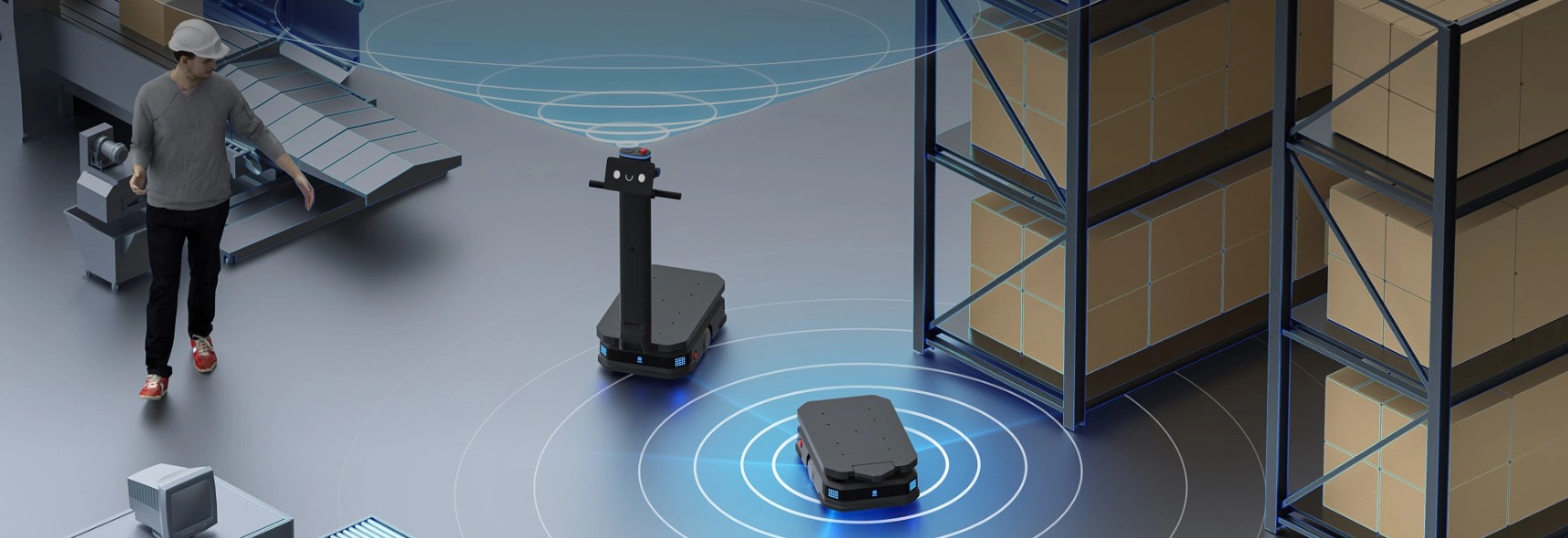
In recent years, Malaysian warehouses and logistics operations have increasingly adopted autonomous mobile robots (AMRs) to handle repetitive internal deliveries—moving cartons, totes, and materials between inbound, storage, picking, packing, and dispatch.
With tighter labour availability and busy shared aisles, AMRs have moved from “futuristic technology” to a practical lever for protecting throughput, reducing travel time, and scaling operations without constantly adding headcount.
However, choosing the right warehouse delivery robot is not as simple as selecting any AMR. It requires careful evaluation of the features that directly affect real-world performance on the floor.
In this guide, we break down seven key features to consider when choosing a warehouse delivery robot, along with what to check during a pilot so you can compare options objectively and shortlist the best-fit solution for your facility.
Key Takeaways:
- Choose warehouse AMRs when routes change often, human traffic is heavy, or you need flexible rerouting in tight aisles.
- Prioritise navigation reliability, payload handling, safety behaviour, battery uptime, fleet management, and integration—not just price.
- Run a pilot on 1–2 high-frequency delivery loops and baseline mission time, on-time delivery, and congestion/stuck events.
- Plan for scale early: traffic rules, staging/handoff points, and dispatch priorities prevent bottlenecks as you add robots.
What is a Warehouse Delivery Robot?
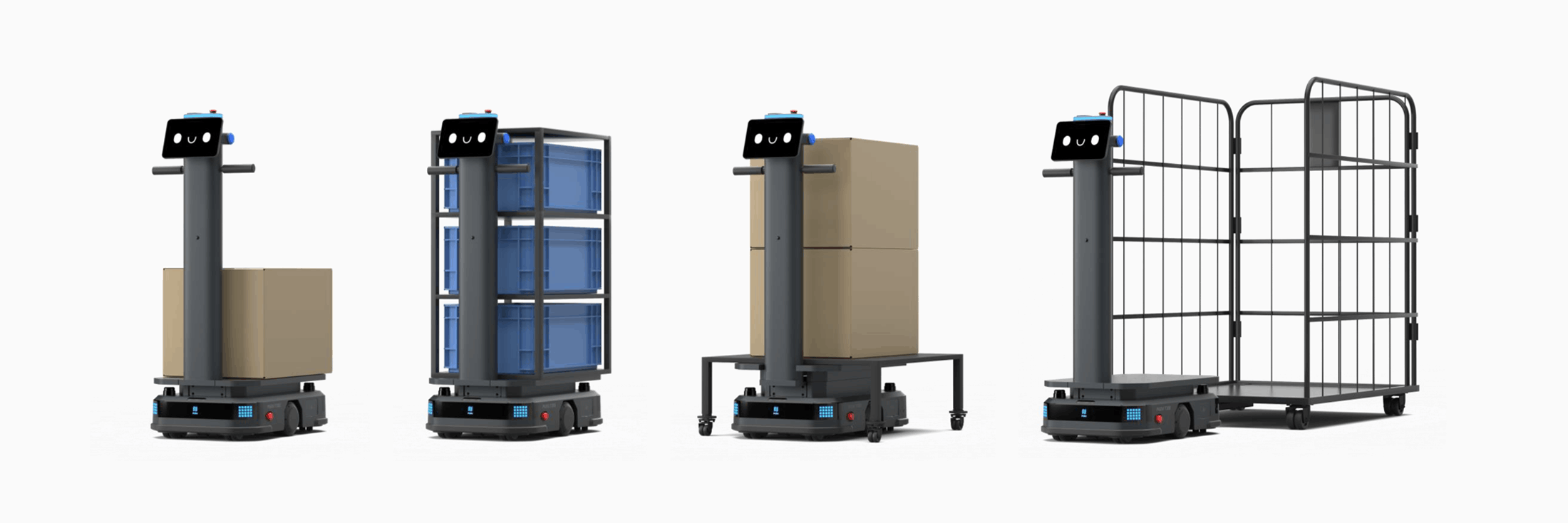
A warehouse delivery robot, also called an industrial delivery AMR, is a mobile robot designed to transport materials inside a facility. Warehouse delivery robots move cartons, totes, parts, or kitting bins between stations, including inbound, storage, picking, packing, QA, and dispatch.
Warehouse delivery robots are built to operate safely in shared spaces and follow missions that can be scheduled, prioritised, and tracked.
They typically support repetitive “A-to-B” or multi-stop delivery loops where human walking and trolley pushing introduce delays, inconsistencies, or safety risks. Industrial delivery AMRs are most useful when internal transport is frequent, routes change over time, and warehouse teams need predictable delivery cycles without adding headcount.
Warehouse delivery AMR vs AGV vs manual delivery
| Decision factor | Manual delivery (people + trolleys) |
AGV (guided vehicle) | Warehouse delivery AMR |
|---|---|---|---|
| Flexibility when routes change | High (people adapt quickly) | Low–medium (best on fixed routes) | High (can reroute and adapt) |
| Consistency and repeatability | Low–medium (varies by shift/team) | High (predictable on defined paths) | High (predictable + adaptive) |
| Works well in mixed traffic (people/forklifts) | Medium (human judgement, higher risk) | Medium (often conservative, depends on controls) | High (built for dynamic obstacle handling) |
| Scalability without adding headcount | Low (must add people) | Medium (scales with route planning) | High (add robots + fleet scheduling) |
| Implementation effort | Low (no setup) | Medium–high (route setup, controls) | Medium (mapping + traffic rules + pilot) |
| Data visibility (missions, logs, KPIs) | Low (manual tracking) | Medium–high (medium on system) | High (mission logs + fleet analytics) |
| Best-fit scenarios | Ad hoc, low volume, exceptions | Fixed, repeatable lanes in controlled areas | High-frequency internal deliveries in changing warehouses |
Curious about how AMRs really work and why they matter? Read Autonomous Mobile Robots Explained: Why More Industries Are Turning to AMRs, an in-depth guide to the technology driving flexible automation in warehouses and beyond.
What to Consider When Choosing an Industrial Delivery Robot?

Choosing a warehouse delivery robot is easiest when the evaluation focuses on real-world performance rather than just specs on paper. Below are seven features to evaluate and what to validate during a pilot.
1. Navigation Technology and Adaptability
Navigation determines how a warehouse delivery robot localises, plans routes, avoids obstacles, and reroutes when conditions change. Strong navigation keeps deliveries consistent in mixed traffic and reduces manual intervention when aisles are blocked or layouts shift.
What to look for
- Navigation approach: Visual SLAM, LiDAR SLAM, or marker-based navigation
- Rerouting capability: safe detours when paths are blocked
- Route update workflow: fast updates when layouts change
- Localisation stability: low “lost” events and fast recovery after stops
- Perception coverage: sensor coverage for obstacle detection in shared environments
- Ease of configuration: ability to update maps, routes, zones, and traffic rules without heavy vendor dependence
What to validate during a pilot
- Block a main path and confirm the robot reroutes safely without repeated manual resets
- Run missions during peak traffic and observe stop frequency, delays, and recovery behavior
- Repeat the same route across shifts and check consistency (mission time + failures)
- Make a small route/zone change and confirm update speed and ease
- Review logs for “lost” events and exceptions to ensure KPI-ready reporting
Reliable navigation improves efficiency by reducing delays and manual resets when aisles are blocked, and it supports safe operation by keeping robot behaviour predictable in shared traffic.
2. Payload Capacity and Handling
Payload capability affects throughput because it determines how much material a warehouse delivery robot can move per trip and how stable it remains under load. A robot with insufficient payload or poor load stability will slow down, stop more often, or force more trips, reducing the gains from automation.
What to look for
- Max payload vs real demand: match average and peak weights, not just “typical” loads
- Load stability: centre-of-gravity tolerance and stability when turning or braking
- Load types supported: cartons, totes, bins, kitting trays, or custom top modules
- Speed under load: consistent movement when fully loaded (no excessive slowdowns)
- Impact on uptime: how load affects runtime and charging frequency
What to validate during a pilot
- Run full-load missions and check stability on turns, stops, and crossings
- Time a typical loop loaded vs unloaded to see throughput impact
- Observe handoff: loading/unloading should be simple and repeatable at each station
The right payload improves efficiency by reducing trips per shift and prevents bottlenecks caused by slow loading, unstable loads, or frequent returns.
3. Physical Fit and Site Mobility
Many Malaysian warehouses have tight aisles and mixed traffic, so a warehouse delivery robot must physically fit the site—not just navigate it. Clearance, turning ability, and floor tolerance determine whether the robot completes routes consistently without getting stuck, experiencing bottlenecks, or encountering blocked aisles.
What to look for
- Minimum clearance + turning: ability to pass in your narrowest aisles and tightest corners
- Floor tolerance: thresholds, grooves, uneven floors, minor ramps
- Docking/handoff behavior: predictable stopping alignment and waiting positions away from main aisles
- Movement stability: smooth motion when turning, stopping, and restarting under normal loads
What to validate during a pilot
- Run the robot through the tightest aisle and sharpest turn on the real route
- Test thresholds/ramps and record any slowdowns or stuck events
- Observe station docking and waiting behaviour to confirm it doesn’t create a choke point
Good clearance and floor tolerance improve efficiency and safety by preventing stuck events and aisle blockages that disrupt people and forklifts.
4. Battery, Charging Strategy, and Uptime
The battery and charging strategy determine whether a warehouse delivery robot can support your shift pattern without creating downtime or service gaps. A robot with poor uptime forces manual work to return during peak periods, reducing the value of automation and making performance inconsistent across shifts.
What to look for
- Runtime under real load: runtime differs significantly when fully loaded versus unloaded
- Charging method: auto-docking, opportunity charging, or battery swapping
- Recharge time: how quickly the robot returns to service after charging
- Uptime planning: how charging is scheduled to avoid peak-hour disruption
- Battery health and lifecycle: expected battery lifespan and replacement considerations
What to validate during a pilot
- Run a shift simulation and track missions completed before charging is needed
- Compare performance unloaded vs loaded to see real runtime impact
- Observe whether charging causes service gaps during peak periods
- Confirm docking reliability so charging is consistent and hands-off
Strong uptime improves efficiency by avoiding service gaps during peak periods and supports scalability by keeping fleet availability high across shifts.
5. Safety Systems and Shared-Traffic Behavior
Safety systems determine whether a warehouse delivery robot can operate predictably around people, forklifts, and crossings without disrupting or posing a risk.
A safe warehouse delivery robot combines reliable detection with stable behavior, such as controlled speeds, smooth stopping, and clear signals. Safety performance is especially important in shared aisles where movement is unpredictable.
What to look for
- All-around detection: sensor coverage that detects people and obstacles in front, sides, and rear
- Human-aware behavior: predictable slowing, stopping, and restarting in shared traffic
- Emergency safety controls: emergency stop functions and consistent safe-stop behavior
- Safety compliance readiness: alignment with recognised standards such as ISO 3691-4
- Clear signalling: visible and audible indicators that communicate robot status and intent
What to validate during a pilot
- Observe shared crossings for smooth stops, safe gaps, and predictable restarts
- Test “unexpected obstacle” scenarios and confirm consistent safe-stop behaviour
- Check whether workers can understand the status quickly through lights/sounds/alerts
- Request safety documentation and confirm that on-site safety testing and validation were completed
Predictable safety behaviour improves safety by reducing collision risk in shared aisles and improves efficiency by reducing stop-start disruption and near-miss incidents.
6. Fleet Management and Scalability
Fleet management determines whether multiple warehouse delivery robots can scale smoothly. One robot may look efficient in a pilot, but real performance depends on how a fleet shares routes, avoids congestion, and prioritises peak-hour tasks. Strong fleet tools coordinate missions, reduce traffic build-up, and improve visibility across shifts.
What to look for
- Central dispatching: automated task assignment based on priority, distance, and availability
- Traffic control: route coordination that prevents robots from stacking up in choke points
- Priority rules: ability to prioritise time-sensitive stations and peak-period missions
- Monitoring and analytics: fleet dashboards, mission logs, and exception reporting
- Scalability limits: practical limits on how many robots can operate in one site or zone
What to validate during a pilot
- Run 2–3 robots on overlapping routes and observe congestion and queue behaviour
- Test peak scheduling and confirm priority missions are completed on time
- Review mission logs to identify bottlenecks, idle time, and failure causes
- Confirm operators can adjust rules quickly without heavy vendor dependence
Fleet coordination supports scalability by preventing congestion as robot count grows and improves efficiency by prioritising the right tasks during peaks.
7. Integration Readiness and Interoperability
Integration readiness is often the difference between a successful pilot and a stalled deployment. A warehouse delivery robot should support task triggering, dispatch, monitoring, and facility access with minimal manual workarounds. Strong integration reduces friction and maintains consistent operations as the fleet scales.
What to look for
- System integration options: APIs or connectors for WMS/WCS/ERP-triggered tasks
- Dispatch options: app-based calls, station buttons, or system-triggered missions
- Facility interoperability: doors/e-gates, access control, and elevators (where required)
- Connectivity requirements: Wi-Fi coverage needs and network reliability expectations
- Monitoring and logs: remote monitoring, mission logs, and exception reporting
- IoT and reporting data: utilisation, mission history, alerts, and basic health indicators
- Hardware expandability: ports or interfaces for add-ons (when relevant)
What to validate during a pilot
- Integrate one simple workflow trigger (e.g., create a mission request from an ops process)
- Validate one facility interface if relevant (door/e-gate/elevator)
- Confirm stable connectivity on the real route and review monitoring/logs
- Review the data available for reporting (missions completed, delays, exceptions) and confirm it matches KPI needs
- Identify manual workarounds and estimate the operational cost of those workarounds
Integration readiness supports scalability by enabling consistent task triggering across zones and improves efficiency by reducing manual workarounds and exception handling.
Still deciding between AMR vs AGV? Read “AMR vs AGV: Which Autonomous Robot Fits Your Warehouse Needs?” to understand how AMRs map, localise, and reroute in real time—and why that matters in mixed-traffic warehouses where conditions change daily
Why PUDU Industrial Delivery Robots Fit Modern Malaysian Warehouses
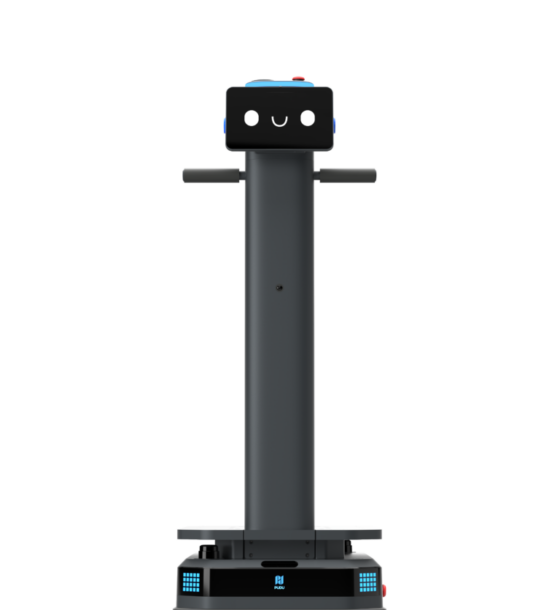
If you’re looking for a warehouse delivery robots that check the key features in this guide and perform in real warehouse conditions, Tekmark offers multiple options designed for different operational needs, including the PUDU T300, PUDU T600, and T600 Underride variant.
These industrial delivery AMRs are built for heavy-load internal transport, helping warehouses move cartons, totes, and materials more efficiently while reducing reliance on manual trolley runs, especially in busy and space-constrained Malaysian warehouse environments.
PUDU T300: Flexible, Heavy-Load Transport for Mixed Warehouse Environments
The PUDU T300 is designed for flexible deployment in warehouses that require reliable, heavy-load transport across shifts and shared workspaces.
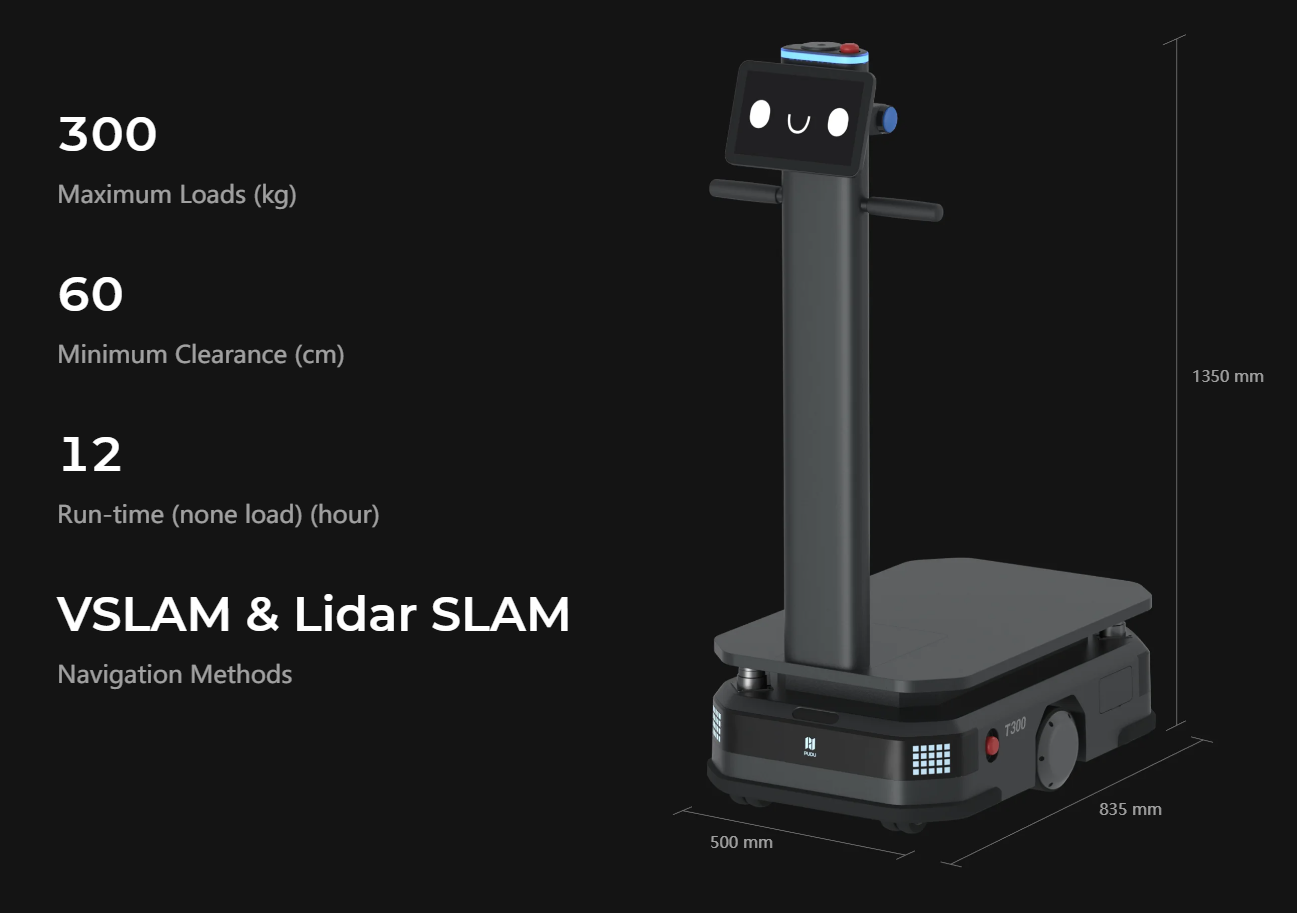
What makes PUDU T300 stand out:
- Flexible navigation: supports VSLAM and LiDAR SLAM.
- Heavy-load transport: carries up to 300 kg.
- Tight-aisle capability: designed for 60 cm path clearance, 20 mm thresholds, and 35 mm grooves.
- Shift-ready charging: ~2 hours of rapid charging.
- Safety design for shared spaces: ISO 3691-4 compliant with LiDAR sensors, depth cameras, collision protection sensors, and emergency stop buttons.
- Human-robot shared-aisle operation: built for narrow human-robot cohabited spaces with safety sensing.
- Facility access capability: supports elevator control and IoT workflow integration
This makes the T300 suitable for general warehouse transport, production floor movement, and internal logistics automation.
PUDU T600: Higher Load Capacity for Heavier Warehouse Operations
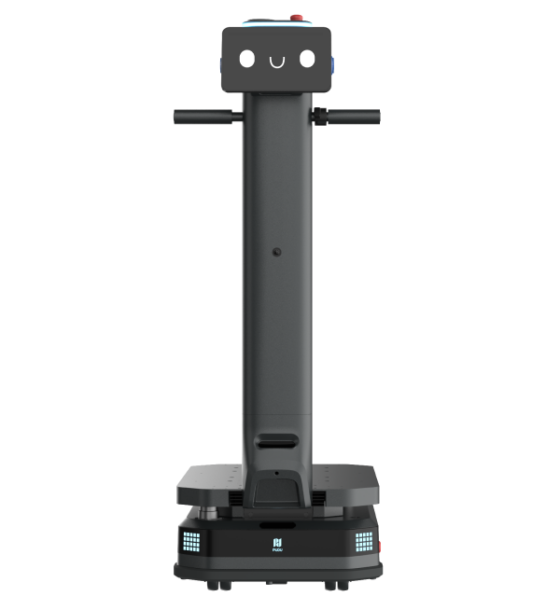
While the T300 handles most internal logistics needs, the PUDU T600 is designed for heavier-duty warehouse transport.
How the PUDU T600 Differs from the T300:
- Higher load capacity for heavier materials and bulk movement
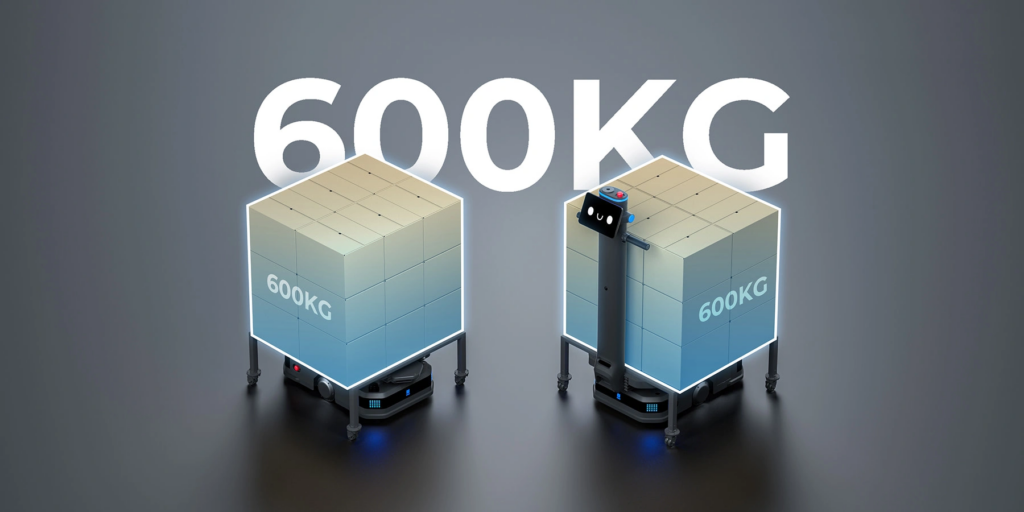
- Designed for larger warehouse operations
- Similar navigation and safety capabilities as T300
- Suitable for heavier pallets, bulk cartons, and production materials
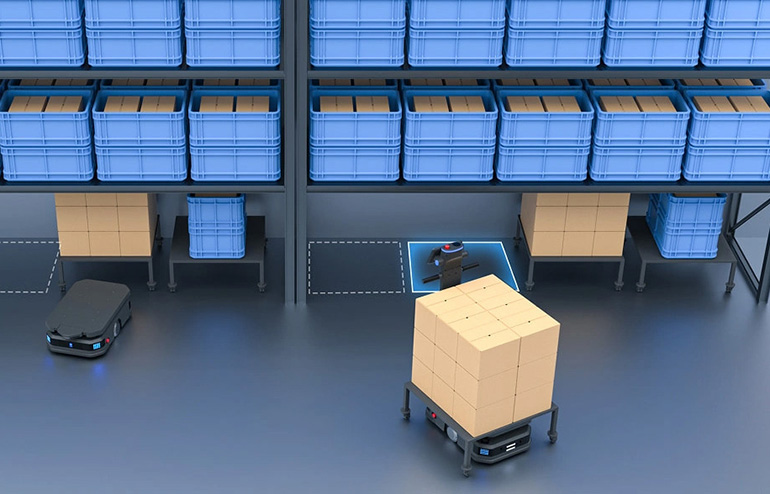
The T600 is ideal for operations that require greater payload capacity without compromising navigation flexibility.
PUDU T600 Underride: Designed for Rack-Based Automation
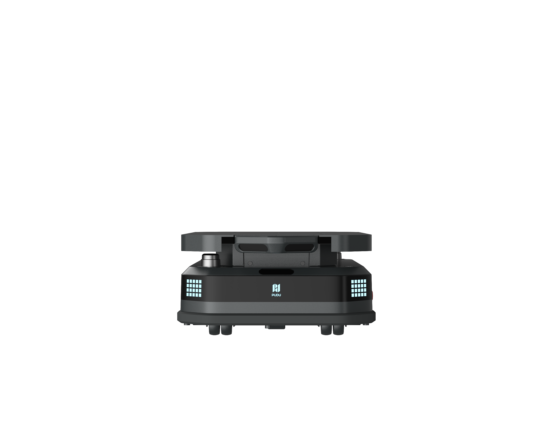
In addition to the standard T600, Tekmark also offers the T600 Underride variant, designed specifically for rack-based warehouse environments.
What makes T600 Underride different:
- Underride capability: Designed to move under racks or shelving systems
- Automated rack transport: Ideal for goods-to-person workflows
- Higher payload capacity: Supports heavier storage loads
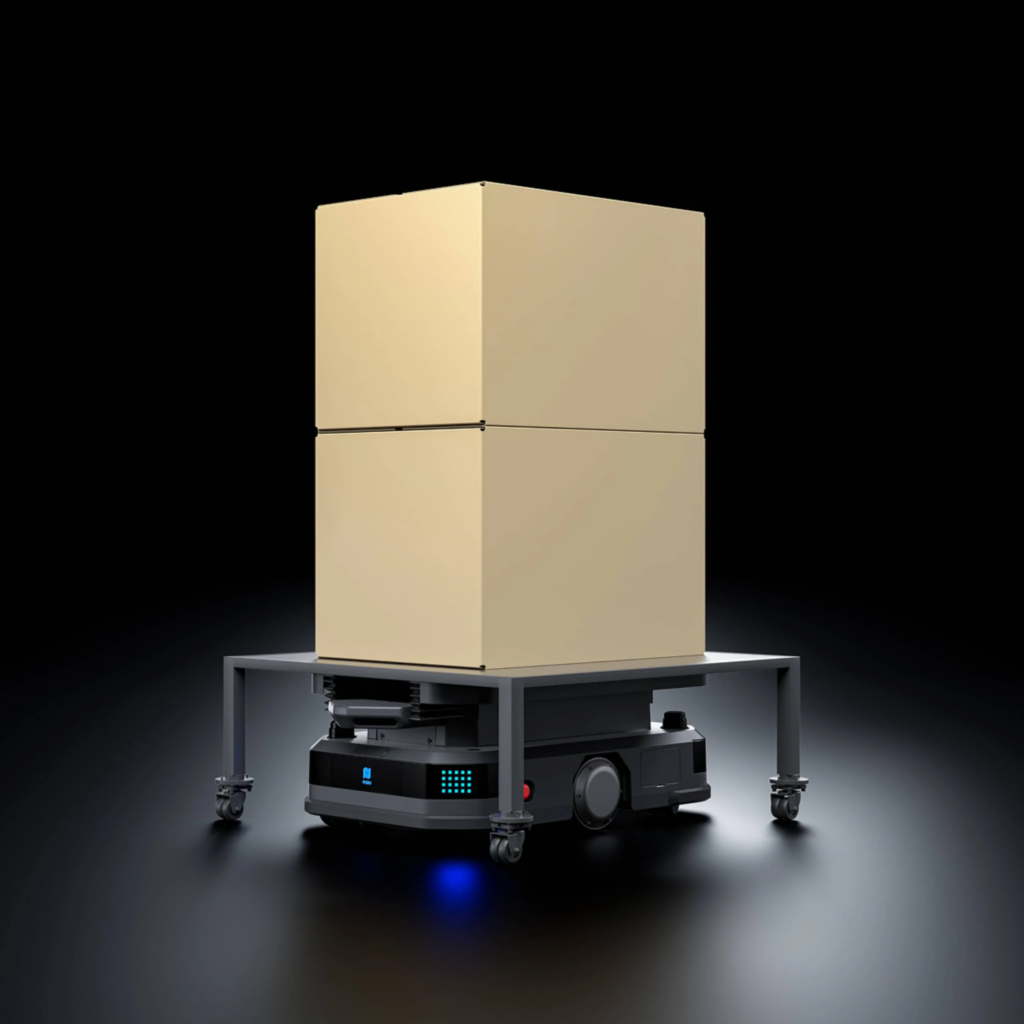
- Improved warehouse space utilisation: Reduces manual rack movement
- Suitable for structured warehouse automation setups
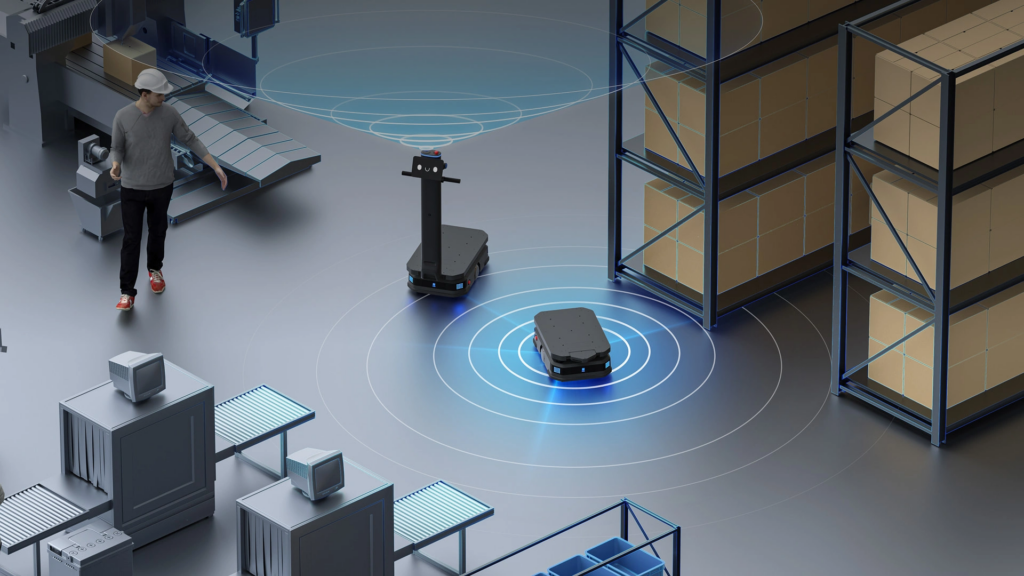
This makes the T600 Underride particularly useful for:
- High-density storage warehouses
- Manufacturing environments
- Distribution centres
- Automated goods-to-person workflows
Choosing the Right Model for Your Warehouse
- PUDU T300 – Flexible, general warehouse transport
- PUDU T600 – Higher load capacity for heavier operations
- T600 Underride – Rack-based automation and goods-to-person workflows
Each option is designed to improve operational efficiency while reducing manual handling and supporting safer shared-workspace operations. Learn more about Tekmark’s PUDU robots and get in touch to plan a demo or pilot for your warehouse!
Automate Warehouse Deliveries with AMR Robots!
Choosing a warehouse delivery robot is easiest when the decision is based on real performance factors. Once these requirements are clear, the next step is validating fit through a demo or pilot on your highest-frequency delivery loops.
Through our subsidiary, Intelligent Factory Sdn Bhd (iFACT), we further strengthen our implementation capabilities. iFACT is a pioneering force in industrial automation, specialising in the design and development of innovative conveyor systems as well as the fabrication and installation of high-quality aluminium profiles and racking systems.
With strong expertise in industrial automation and mechanical engineering, iFACT delivers smart factory automation and robotics solutions tailored to operational needs — including assembly, pick & place, sealing, capping, packaging, and labelling systems. This integration enables Tekmark to support AMR deployments within a broader end-to-end material handling and automation ecosystem.
Tekmark supports Malaysian warehouses in evaluating and deploying industrial delivery AMRs, including the PUDU T300, for scalable internal transport in busy, space-constrained environments.
Why choose Tekmark:
- ISO 9001:2015 certified since 2018, with an ISO 9001:2015 certified R&D arm (Myreka Technologies)
- Malaysia Digital (MDEC) status for Myreka, reflecting engineering and integration capability
- Strong R&D capabilities
- Local expertise and reliable after-sales support
- Free demo and Proof-of-Concept (POC)
- Flexible Financing Plan
Ready to choose the right warehouse delivery robot? Get in touch today!
FAQs
Most industrial AMRs can continue executing their current mission safely if connectivity is briefly interrupted. However, stable Wi-Fi improves fleet coordination, monitoring, and task dispatch. Site network assessment is recommended before scaling.
No. In most deployments, AMRs handle repetitive internal transport tasks, allowing staff to focus on picking, packing, quality checks, or higher-value activities. The goal is to reduce walking and manual trolley movement—not eliminate operational roles.
Extremely uneven floors, steep ramps, large gaps, loose debris, or outdoor environments not rated for the robot may affect performance. A site survey helps confirm compatibility before deployment.
Yes, provided charging strategy and fleet sizing support shift coverage. Many industrial AMRs are designed for multi-shift or round-the-clock operation with scheduled charging or battery swaps.
Maintenance usually includes:
- Sensor cleaning
- Wheel and drive system checks
- Battery health monitoring
- Software updates
Preventive maintenance schedules vary by manufacturer but are generally less intensive than forklifts.
Related Articles